
Cybersecurity in Digital Banking: How to Keep Your Money Safe?
- Editor

- Aug 27, 2025
- 3 min read
by KarNivesh | 27 August, 2025
The digital banking revolution has completely transformed how we manage money. With just a few taps, we can transfer funds, pay bills, or invest in markets anytime, anywhere. But with this convenience comes a growing risk cybercriminal are becoming more sophisticated, making digital banking fraud a serious concern.
In India, digital banking fraud has skyrocketed. Losses jumped from ₹12,230 crores in 2023–24 to a staggering ₹36,014 crores in 2024–25. With more people using mobile banking, UPI, and online transactions, understanding how to stay safe is no longer optional it’s essential.
The Rising Threat Landscape
India processes over 18 billion UPI transactions each month, making it one of the world’s largest digital payment ecosystems. Unfortunately, this has attracted cybercriminals. The country faces 44% more cyberattacks than the global average. Financial institutions experience around 3,291 weekly cyberattacks per bank nearly double the global average.
Digital payment frauds now account for over half of all banking fraud incidents in India. Out of 23,953 fraud cases reported in 2024–25, over 13,500 were related to digital payments.

Common Types of Digital Banking Threats
Phishing and Vishing: Fraudsters impersonate banks via fake emails or calls to trick customers into revealing passwords and OTPs.
Account Takeover Fraud: Criminals steal login credentials via data breaches or malware to gain unauthorized access. This accounts for over 55% of frauds.
Mobile Malware: Malicious apps can record your screen, intercept OTPs, and perform unauthorized transactions.
AI-Powered Cyber Attacks: Hackers now use AI to create hyper-personalized phishing emails, deepfakes, and self-morphing malware.
How to Protect Yourself: Essential Security Measures
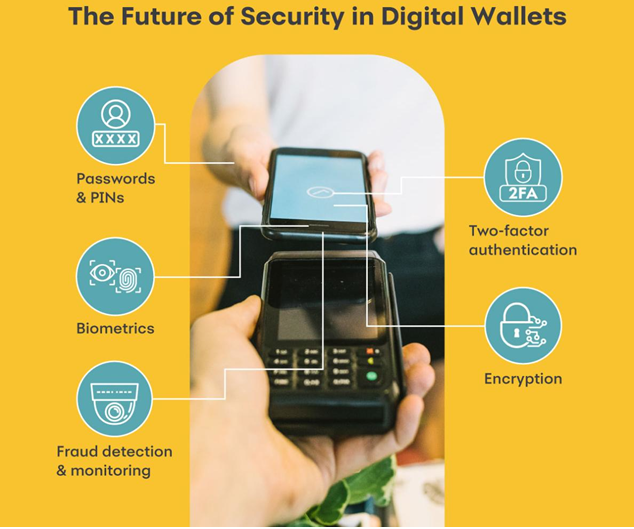
1. Strong Authentication Practices:
Use unique, complex passwords with a mix of uppercase, lowercase, numbers, and special characters. Change passwords every six months.
Enable two-factor authentication (2FA) wherever possible. Use authenticator apps instead of SMS-based OTPs to avoid SIM-swap attacks.
Prefer biometric authentication such as fingerprints or facial recognition for an additional security layer.
2. Device & Network Security:
Avoid banking on public Wi-Fi or shared computers.
Install licensed antivirus software and keep your device updated with the latest security patches.
Access your bank’s website directly by typing the URL instead of clicking links in emails. Ensure the website uses HTTPS encryption.
3. Safe Mobile Banking Practices:
Download banking apps only from official sources.
Don’t enable auto-login on banking apps.
Set up strong device locks and regularly delete banking-related SMS.
4. Scam Awareness:
Be wary of unsolicited calls, emails, or SMS claiming to be from your bank.
Verify the identity of anyone requesting sensitive information by contacting your bank through official channels.

Quantum-Era Cybersecurity: Preparing for the Future
As quantum computing advances, traditional encryption methods will become vulnerable. Financial institutions are moving towards post-quantum cryptography, a new encryption standard designed to withstand quantum attacks.
Banks are also increasingly relying on AI-powered threat detection, analyzing millions of data points in real time to detect suspicious activity.
The cost of cybersecurity breaches is massive. Global cybercrime costs are expected to hit nearly ₹91,69,65,00 crores (approximately $11 trillion USD) by 2025. For banks, the average cost of a single data breach is around ₹53.27 crores (about $6.4 million USD), with the detection and response process becoming more complex due to advanced attacks.
Practical Safety Tips for Consumers
Monitor Your Transactions: Regularly review statements and enable SMS/email alerts for all transactions.
Communicate Securely: Never share sensitive details over phone or email unless you initiated the contact through official channels.
Emergency Response: If you suspect fraud, immediately report it to your bank and change all passwords and PINs.
Use VPNs When on Public Networks: VPNs encrypt your online activity, making it harder for hackers to intercept your data.
Future Trends in Digital Banking Security
Behavioral Biometrics: Banks will use typing speed, mouse movements, and navigation patterns to verify users.
Blockchain Integration: Immutable transaction records will enhance security and transparency.
Collaborative Security Networks: Financial institutions will share real-time threat data to create collective defenses against cybercriminals.
Digital banking brings unmatched convenience, but it also attracts cybercriminals. The sharp rise in fraud from ₹12,230 crores to ₹36,014 crores within a year is a wake-up call for both banks and consumers.
The good news? Staying safe is possible. By adopting layered security measures like strong passwords, 2FA, safe browsing habits, regular monitoring, and staying informed you can protect your money and enjoy digital banking with confidence.
Remember: cybersecurity isn’t a one-time setup. It’s a continuous process. Stay alert, update your security practices, and always verify before you trust. Your money’s safety depends as much on your awareness as it does on your bank’s security systems.



Comments