
Confused About Choosing the Right Tax Regime? Here's the Ultimate Guide
- Editor

- Aug 6, 2025
- 4 min read
by KarNivesh | 06 August, 2025
The choice between India's old and new tax regimes has become one of the most critical financial decisions for taxpayers. With the Union Budget 2024-25 making the new tax regime the default option and introducing significant changes, millions of Indians are grappling with this decision. This comprehensive guide breaks down everything you need to know about both tax regimes in simple terms, helping you make an informed choice that could save you thousands of rupees annually.
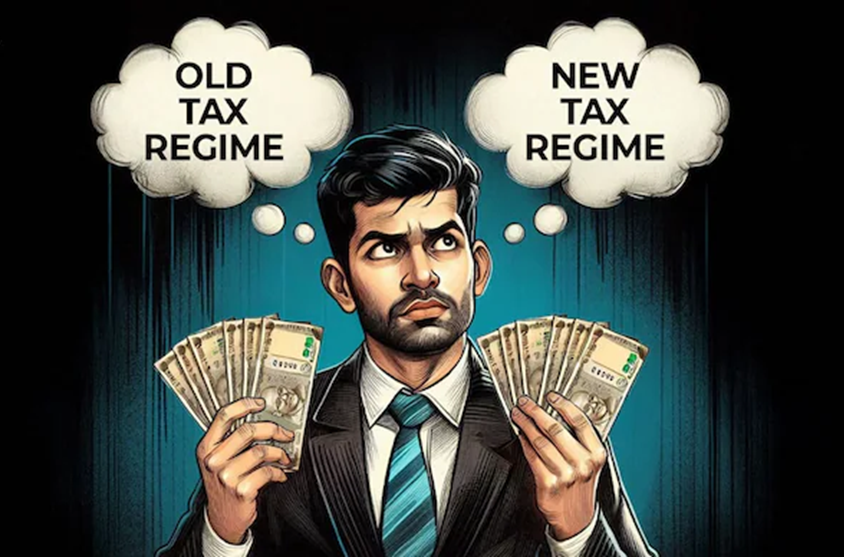
Key Insight: Old vs New Tax Regime
For taxpayers earning up to ₹20 lakh, the new tax regime is often better unless your deductions exceed ₹4–5 lakh.
The old tax regime is still beneficial for those with heavy investments in tax-saving instruments like PPF, ELSS, and home loans.
Old Tax Regime – Traditional and Deduction-Friendly
Exemption Limit: ₹2.5 lakh
Standard Deduction: ₹50,000
Major Benefits:
70+ deductions like 80C, 80D, HRA, LTA, home loan interest
Best for taxpayers with substantial investments and tax-saving expenses

New Tax Regime – Simple and Lower Rates
Exemption Limit: ₹3 lakh
Standard Deduction: ₹75,000
Key Features:
Lower slab rates with minimal deductions
Ideal for salaried individuals with fewer investments
Income up to ₹7.75 lakh can be tax-free with rebate
Income Tax Slabs FY 2024-25
Old Regime:
₹0–2.5L: 0% | ₹2.5–5L: 5%
₹5–10L: 20% | Above ₹10L: 30%
New Regime:
₹0–3L: 0% | ₹3–7L: 5%
₹7–10L: 10% | ₹10–12L: 15%
₹12–15L: 20% | Above ₹15L: 30%
How to Choose the Best Tax Regime
Step 1: Calculate Your Total Annual Income
Begin by determining your complete income from all sources:
· Basic salary and allowances
· Bonus and incentive payments
· Income from house property
· Other sources like bank interest, dividends
· Any business or professional income
Step 2: List All Eligible Deductions Under Old Regime
Create a comprehensive list of deductions you can claim:
· Section 80C investments: PPF, ELSS, life insurance, home loan principal
· Section 80D premiums: Health insurance for self, family, parents
· HRA exemption: If you pay house rent
· Home loan interest: For self-occupied property
· Professional expenses: LTA, professional tax, etc.
Step 3: Calculate Total Deductions Available
Add up all eligible deductions and exemptions. This total will be crucial in determining which regime benefits you more. Remember, the old regime allows deductions up to specific limits under various sections.
Step 4: Compute Tax Under Both Regimes
For Old Regime:
· Subtract total deductions from gross income
· Apply old tax slabs to the net taxable income
· Add applicable cess (4% of income tax)
For New Regime:
· Subtract only standard deduction (₹75,000)
· Apply new tax slabs to the net taxable income
· Add applicable access
Step 5: Compare and Decide
Choose the regime that results in lower overall tax liability. Consider both immediate tax savings and long-term financial planning implications
Breakeven Points for Choosing Old Regime
₹10 lakh income → Old regime only if deductions > ₹2.5L
₹15 lakh income → Deductions > ₹4.25L
₹20 lakh income → Deductions > ₹5.25L
Switching Between Tax Regimes
For Salaried Individuals
Salaried employees have the flexibility to switch between regimes annually:
1. Inform Your Employer: At the beginning of each financial year, specify your preferred regime for TDS calculation
2. ITR Filing Flexibility: You can change your choice while filing ITR, regardless of what regime your employer used for TDS
3. No Additional Forms Required: For non-business income earners, simply select your preferred regime in the ITR form
For Business/Professional Income Earners
Those with business or professional income face restrictions:
1. Limited Switching: Can switch from new to old regime only once in lifetime
2. Form 10-IEA Required: Must file this form before the ITR due date to opt for old regime
Deadline Critical: Form must be submitted by September 15, 2025, for FY 2024-25
Documentation Requirements
For Old Regime:
· Maintain receipts for all claimed deductions
· HRA receipts and rental agreements
· Investment proofs for 80C claims
· Health insurance premium receipts
For New Regime:
· Minimal documentation required
· Only employment-related documents needed
· Simpler record-keeping
Common Pitfalls to Avoid
1. Last-minute Decisions: Avoid choosing regimes hastily at year-end without proper calculation
2. Ignoring Long-term Impact: Consider how your choice affects retirement planning and wealth creation
3. Employer Communication: Ensure your employer knows your regime choice for correct TDS
4. Business Income Confusion: Understand that business income earners have limited switching options
Future Outlook:
Government's Direction
The government is clearly pushing towards the new regime by making it the default and gradually enhancing its benefits. The increased standard deduction and tax rebate limits indicate this trend will continue.
Long-term Financial Planning
Consider these factors for long-term planning:
· Retirement Corpus: Old regime encourages systematic investing through 80C
· Emergency Fund: New regime provides more take-home pay for liquidity
· Wealth Creation: ELSS investments under old regime offer tax benefits plus potential market returns
Annual Review Strategy
1. Annual Assessment: Review your choice each year based on changing income and investment patterns
2. Life Stage Consideration: Your optimal regime may change with marriage, home purchase, or children's education needs
Market Conditions: Economic factors may influence the attractiveness of tax-saving investments

Final Tax-Saving Tip
Choosing the right tax regime depends on your income, deductions, and investment habits.
New regime = simplicity + lower rates
Old regime = better for high deductions and long-term wealth building
Reassess every year to maximize savings and meet your financial goals.


Comments